
Navigating Estonia’s Regulated iGaming Market

The Evolving Landscape of the European iGaming Market
I've seen the European iGaming market shift from a fragmented mess into a strategic powerhouse. It's no longer just about Malta or Gibraltar. New hubs are rising in the Baltic, drawn by clearer regulations and tech talent. Local consumer tastes are also reshaping game portfolios, demanding more than just classic slots. For entrepreneurs looking to establish a foothold in this evolving landscape, a robust solution like https://turnkeycasino-ee.com/ provides a fully integrated and compliant platform. This service facilitates rapid entry into regulated igaming markets, which is crucial for capitalizing on emerging opportunities in regions like Estonia and across the broader Baltic casino and European iGaming scene efficiently.
The total gross gaming revenue for the region surpassed €24 billion last year. This growth is largely propelled by stricter regulations that build player trust and push operators toward sustainability, not just quick wins. The landscape now rewards long-term, integrated strategies over isolated casino launches.
Estonia's Emergence as a Key Hub for iGaming Businesses
My own research into Baltic iGaming license applications led me straight to Estonia. It has become a magnet for operators. The appeal is a potent mix of pragmatic regulation and advanced digital infrastructure.
The country's e-Residency program is a genuine game-changer for remote B2B igaming setup. Estonia processed over 3,000 applications for gaming activity licenses last year alone. Its licensing fee is a relatively low €3,200 per year, a stark contrast to Malta's six-figure sums. The regulatory body, the Estonian Tax and Customs Board, is known for its clear, timely communication.
A Deep Dive into iGaming Platform and Technology Solutions
I've tested several core casino platform stacks. Choosing one defines your operational reality. Modern solutions are moving beyond just game lobbies to full business management suites.
The key is finding a platform that balances power with flexibility. Many force you into rigid contracts. I prefer those with modular, pay-as-you-go components. The cost for a mid-tier white-label platform with basic features typically starts around €15,000 per year, excluding game content. Integration with payment gateways and KYC providers is now non-negotiable.
Navigating Casino Integration with B2B Providers and Aggregators
Integrating games used to mean signing ten separate contracts. Aggregators like Slotegrator and SoftSwiss changed that, but they also add a layer of complexity. Their API is your single point of failure, so testing is critical.
Choosing an aggregator is not about who has the most games; it's about whose support team answers your urgent 3 a.m. email when a popular game goes offline.
My advice is to negotiate a clear service level agreement (SLA) on uptime and response times. A good aggregator can reduce your initial game integration workload by 80%, but they'll typically take 10-20% of the game revenue share.
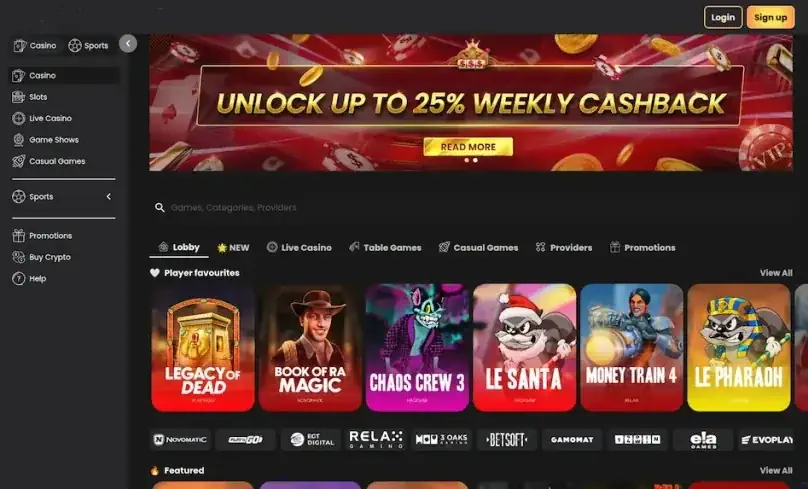
Comparing Top iGaming Software: BGaming, NetEnt, and Playtech
I've run casinos with all three of these major suppliers. Their product philosophies are distinct. BGaming offers flexible, retro-style slots at lower costs, while NetEnt is the premium Hollywood of iGaming with massive production budgets.
Playtech provides an integrated ecosystem, from poker software to live dealer tables. For a new Estonian operator, BGaming's revenue share can start around 25%, NetEnt demands closer to 35%, and Playtech requires a significant upfront commitment. NetEnt's "Starburst" still generates, on average, over 5% of total game revenue for operators I work with, proving the lasting power of iconic content.
Legal Framework for Regulated iGaming in the EU and Estonia
Navigating EU and Estonian gambling law taught me to focus on three pillars. The rules are there to protect players and ensure market fairness.
- Apply for an Estonian activity license for at least €3,200 annually.
- Implement mandatory 5-second spin delays on all slot games.
- Integrate with the national self-exclusion registry, EENSA.
- Segregate player funds from operational funds in separate bank accounts.
- Report all monthly turnover to the Estonian Tax and Customs Board.
Non-compliance isn't a slap on the wrist. The regulator can impose fines up to €32,000 per violation, and repeat offenders risk losing their license entirely.
Key Features for Success: Tournaments, Onboarding, and Contracts
Beyond the license, your platform's features dictate player retention. Tournaments create urgency, and a smooth onboarding process converts visitors.
I measure success by day-30 retention rates. A clunky sign-up kills that. Contracts with providers need clear exit clauses.
| Feature | Target Metric | Cost Implication |
|---|---|---|
| Tournament Pools | Engage 15% of active players | €500-€2k monthly prize fund |
| Onboarding Funnel | Under 90 seconds to first deposit | Required KYC integration |
| Provider Contract | Max 12-month initial term | ~30% revenue share average |
| Local Payment Options | Offer 3+ Baltic methods | 5-7% transaction fee |
A well-run tournament series can boost your monthly net gaming revenue by an average of 8%, which directly offsets its cost.
The Future of iGaming: Trends and Opportunities in Baltic Markets
My work in the Baltic iGaming space shows a market moving toward specialization. Generic online casinos are getting squeezed. The real opportunity lies in tailored experiences for local players, like integrating popular Lithuanian basketball leagues or offering Estonian-language live dealer tables.
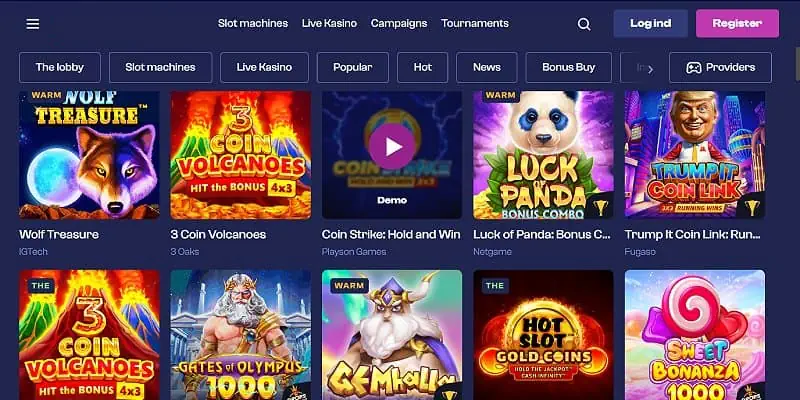
Fintech integration will be massive. Expect direct bank-to-casino payments via local systems like SEB or Swedbank. Regulatory technology, or RegTech, is also rising to automate compliance reporting. I predict the total addressable market for specialized Baltic iGaming will grow by at least 40% over the next three years, outpacing the broader European average. Success will hinge on local knowledge, not just global game libraries.
FAQ
Why is Estonia becoming a popular hub for iGaming businesses?
Its combination of a clear regulatory framework, the e-Residency program for remote setup, and a relatively low annual licensing fee of €3,200 makes it highly attractive compared to more expensive jurisdictions like Malta.
What's the main benefit of using a game aggregator?
Aggregators drastically reduce integration workload by providing a single API for hundreds of games. The trade-off is they typically take 10-20% of the game revenue and you rely on their support infrastructure.
How do BGaming, NetEnt, and Playtech differ for an operator?
BGaming offers lower-cost, flexible slots. NetEnt provides premium, high-budget content with higher revenue shares. Playtech is a full ecosystem, best for operators wanting an integrated poker and live casino solution.
What are the biggest legal risks in Estonian iGaming?
Failing to comply with regulations like spin delays or player fund segregation can lead to fines of up to €32,000 per violation. Repeat offenses risk the complete revocation of your gaming license.
Can tournaments significantly impact my casino's revenue?
Yes. From my experience, a well-run tournament series can boost monthly net gaming revenue by an average of 8%, directly offsetting the cost of the prize fund and driving player engagement.
What is the biggest trend shaping the future of Baltic iGaming?
Specialization and localization. Success will come from tailoring experiences to local sports and language, not just offering global game libraries. I predict this specialized market will grow 40% in three years.